

Table of Contents
The cost of U.S. Group Health Insurance is now a primary driver of the Total Cost of Employment (TCE). For international companies, healthcare is no longer just a line item; it is a strategic challenge that affects your budget, your ability to hire, and your ability to keep top talent.
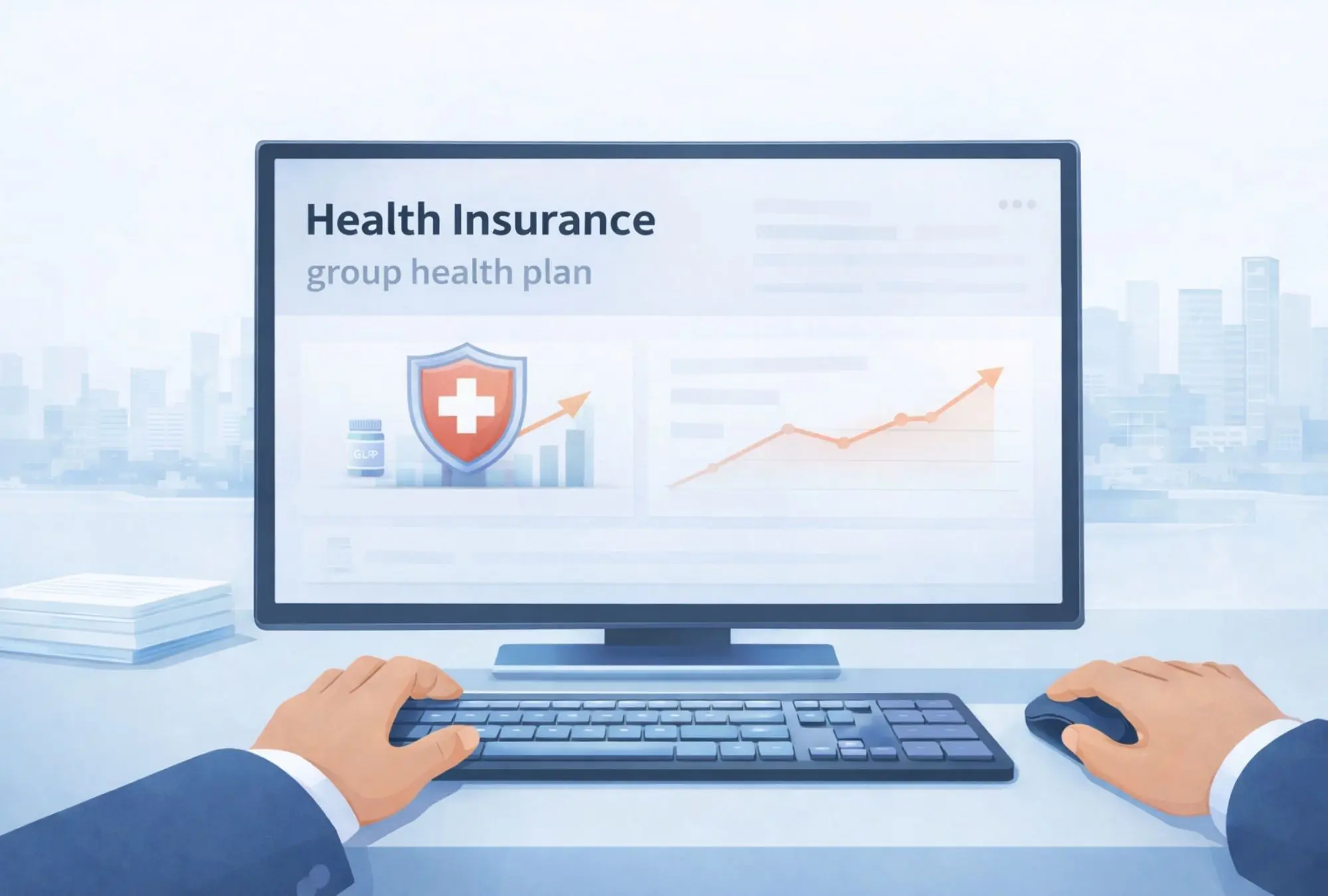
2026 Forecast: Healthcare Premiums Expected to Rise by 11%
Data for 2026 shows that small and midsize businesses face a median premium increase of 11%, with some hikes reaching 20%.
Three factors are driving this volatility:
- Medical Inflation: The cost of services and treatments is rising by roughly 9%.
- Specialty Drugs: High-cost medications for weight management and diabetes are putting extreme pressure on insurance pools.
- Smaller Risk Pools: As fewer small companies join group plans, the remaining groups become more expensive to cover.
To protect your margins, you must perform due diligence months before your renewal date. Waiting until the last minute leaves you with no time to negotiate or find alternatives.
Transitioning to a Defined Contribution Model (ICHRA)
To regain control, many executives are moving away from traditional plans toward a Defined Contribution model, such as the Individual Coverage Health Reimbursement Arrangement (ICHRA).
This model shifts the role of the employer:
- Predictable Budgeting: You set a fixed monthly allowance per employee. Your costs are capped, and you are protected from surprise hikes.
- Employee Choice: Employees use your contribution to buy a plan that fits their specific family needs.
- Remote Work Flexibility: You can adjust allowances based on where the employee lives, ensuring fair coverage across different U.S. states.
The Risks and Rewards of Using a PEO
A Professional Employer Organization (PEO) can reduce costs by pooling your employees with thousands of others to gain "buying power."
However, be cautious. Using a PEO can create a "legal presence" in the U.S. that complicates your corporate structure. This might impact your long-term goal of keeping the company sellable or fully compliant with international tax strategies. A Benefits Audit is often a safer way to build your own risk-mitigated infrastructure.
Financial Oversight: The Benefits Audit Process
A proactive audit identifies where your current plan is inefficient. This process focuses on:
- Vendor Value: Are your insurance carriers and pharmacy managers actually delivering value?
- Plan Design: Balancing your contributions with employee cost-sharing to keep the plan attractive but sustainable.
- Prevention: Investing in wellness programs to reduce long-term claims.
- Education: Teaching employees how to use healthcare efficiently (e.g., choosing urgent care over the Emergency Room).
Compliance Requirements for U.S. Health Benefits
Navigating U.S. renewals requires strict adherence to federal laws. TABS specializes in helping foreign-owned entities manage these requirements.
Our audit and compliance support includes:
- ALE Status: Annually verifying if you are an "Applicable Large Employer" under the Affordable Care Act (ACA).
- Communication: Reviewing all legal notices and cost-sharing disclosures sent to employees.
- Affordability Testing: If using an ICHRA, ensuring your contribution meets ACA standards to avoid heavy penalties.
Ready to de-risk your U.S. expansion? Learn more about our Payroll & HR services.
About the Author
Aaron Mongerson is a dedicated HR Manager and licensed broker specializing in general lines of health and ancillary benefits. She partners with European companies expanding into the United States, offering clear, actionable guidance across the full spectrum of U.S. HR and benefits requirements.
Disclaimer: This article provides general information and does not constitute legal, tax, or accounting advice. To evaluate your specific situation and ensure full compliance, contact TABS today. We will assess your equity plan, handle all operational execution, and connect you with the appropriate specialized U.S. tax attorneys and CPAs within our trusted network.